
Record of the Six-Park Co-Creation Project in 2025: North District Office of Tainan City × Namo Collective
撰文╱王慧萍@南無南漫home
Written by Linda Wang @Namo Collective
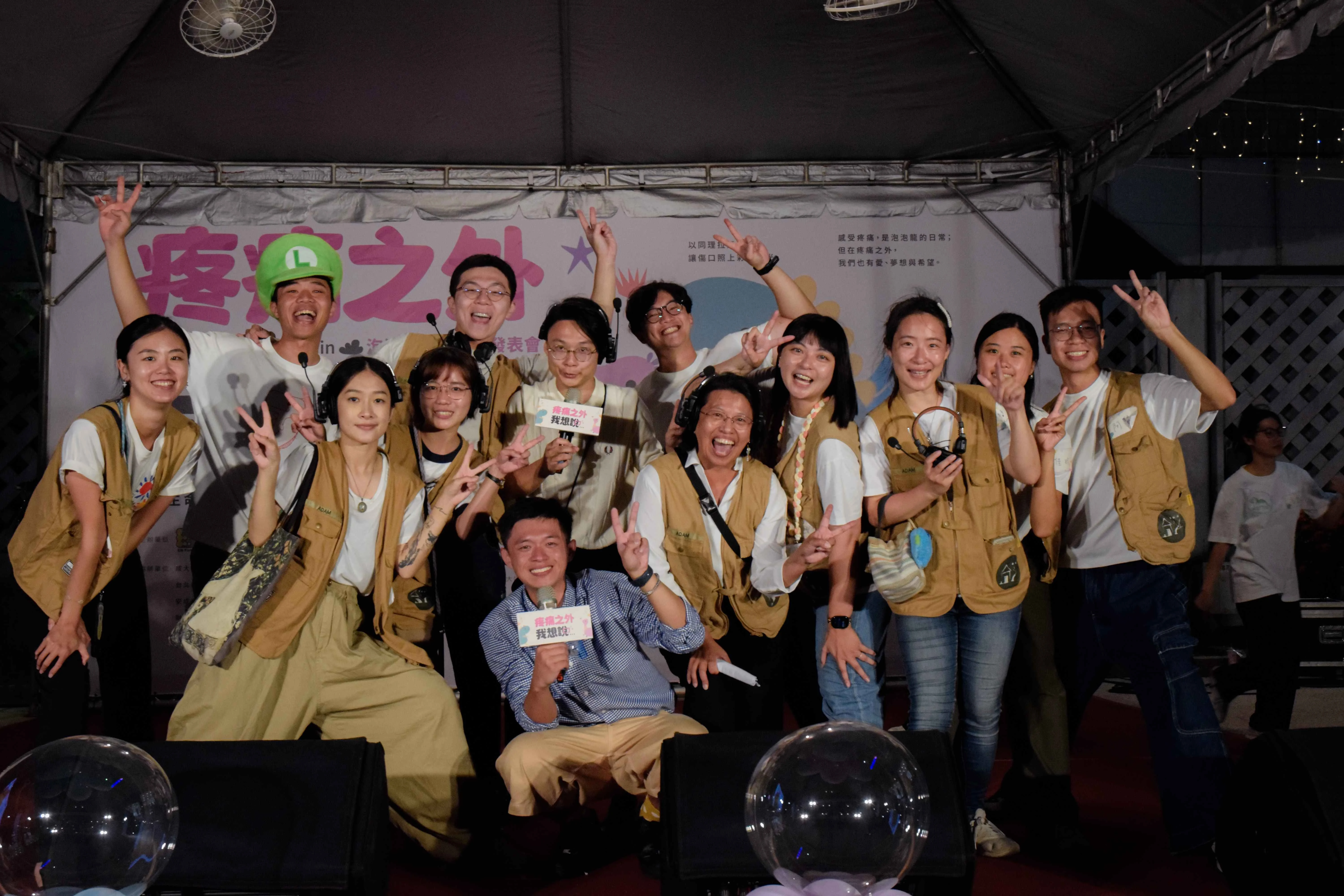
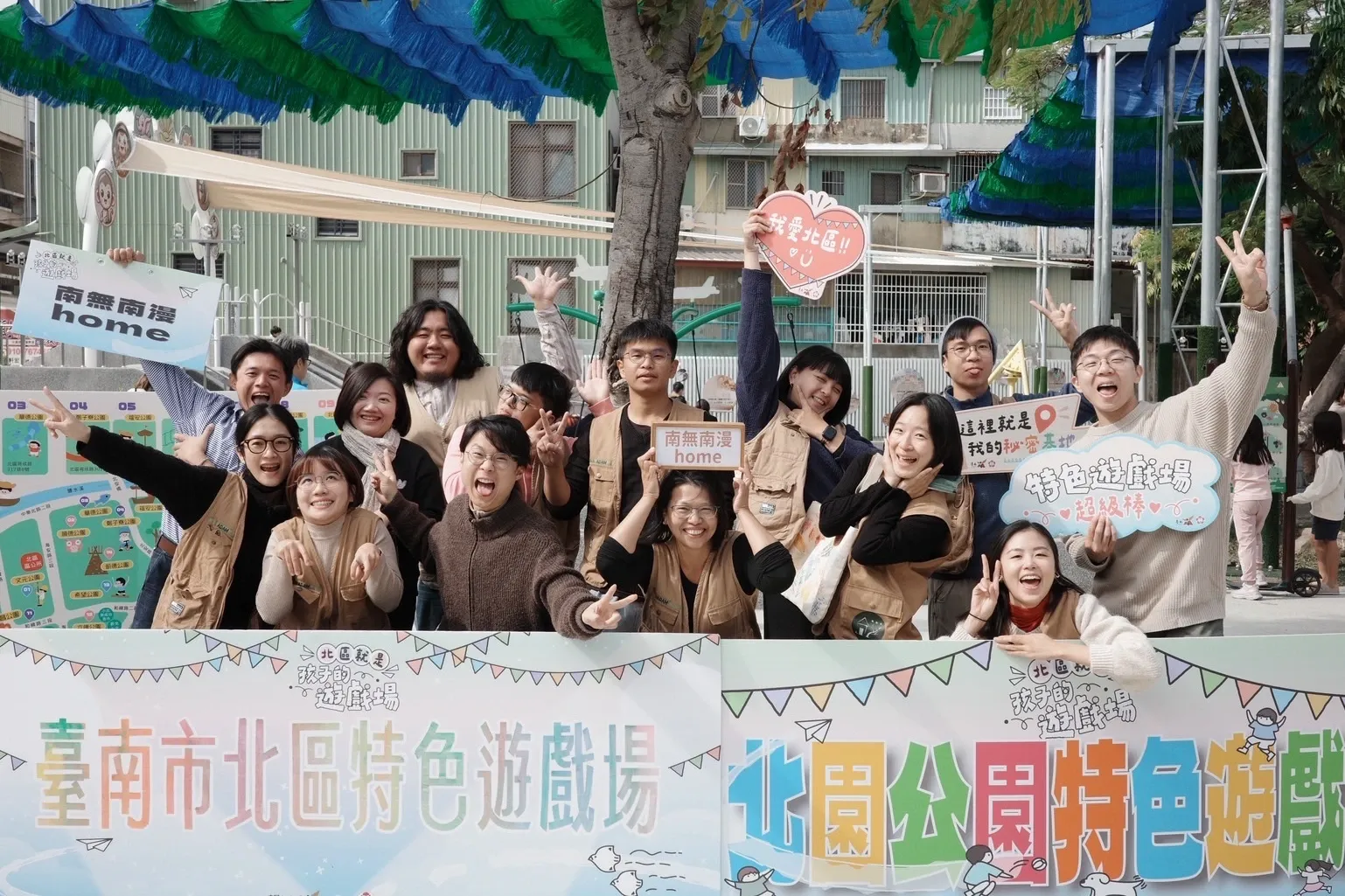
「北區就是孩子的遊戲場」系列共有十座公園,其中的六座遊戲場啟用活動,由南無南漫home策劃、執行,緣分起源是臺南市北區區公所─潘寶淑區長的信任,信任我們用南無特有的風格,策辦北區公園的啟用記者會/啟用視察活動。
因這一場場珍貴的經驗,成就了南無團隊與在地單位的首次攜手合作,從114年4月到115年1月,開過無數次實體/線上會議,在區長辦公室討論整體規劃流程、抑或是在線上逐一對稿設計細節,也到過每座公園進行多次實地場勘,更有與外部單位(如幼兒園或里長里民志工)的事前教學與聯繫。
每場公園都參與其中的我,回想起這九個月…從第一次開會時的戰戰兢兢、想像跟公部門互動要多嚴肅專業、被自己的想像框得說不出一句話只能微笑,到後來進到區長辦公室就像見到老朋友們般的自在,彼此臉上表情盡是:「嗨~我們又一起合作囉!這次要怎麼玩呢?」真魔幻~我確信這些變化來自於不刻意套入角色,並願意更理解彼此─ 就在一次次的磨合中:理解公部門有著操辦活動的必要考量─應對長官、來賓、地方、民眾的眉角及後續慢慢發酵的使用回饋;理解南無團隊有重視的核心本質─「人味」,孩子們在這場開幕中如何自在展現、每位用心的里長如何被看見、置入哪些環節能讓參與者由衷展露笑容(因為我們不是公關行銷公司,而是氛圍製造所)。
以人為本
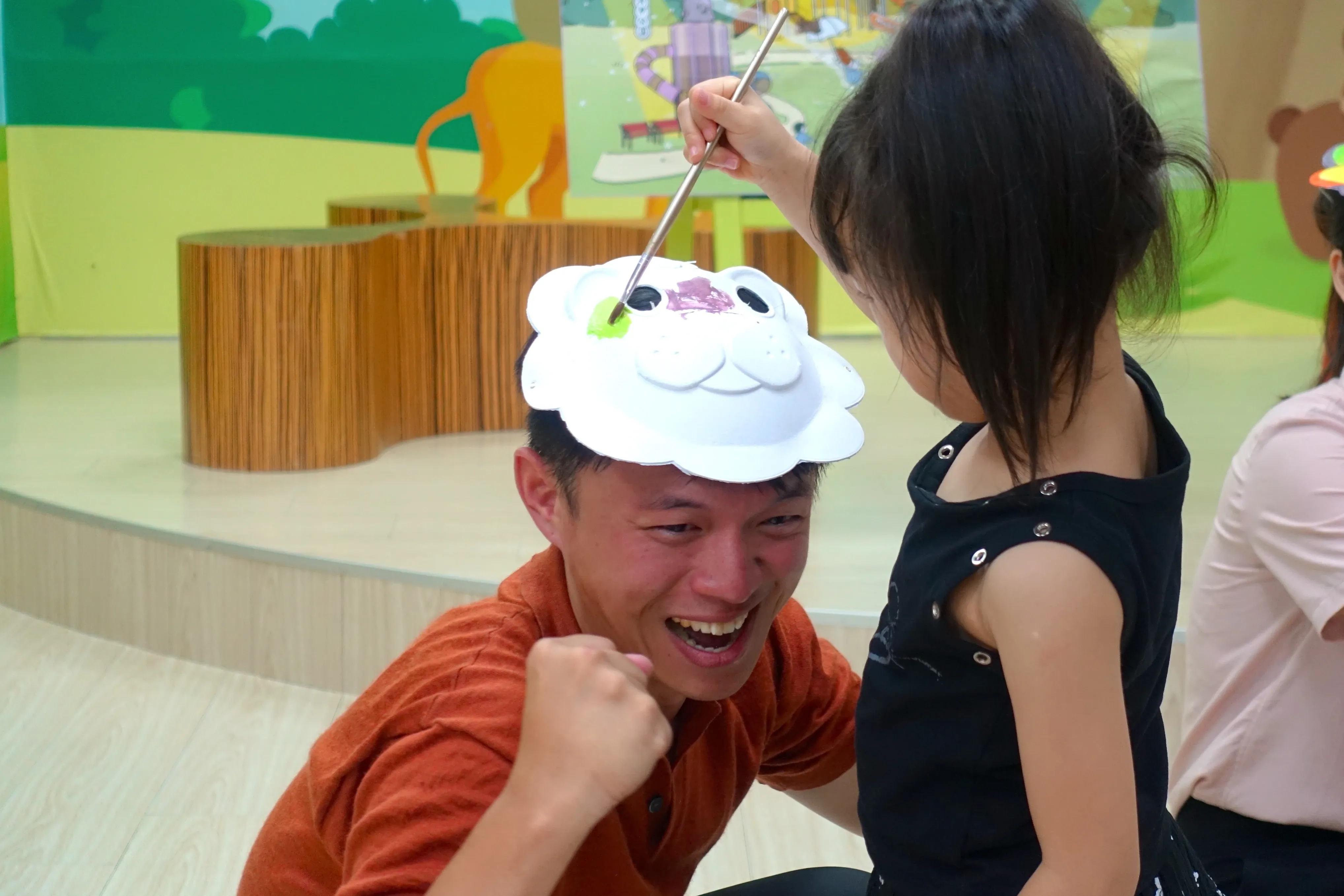
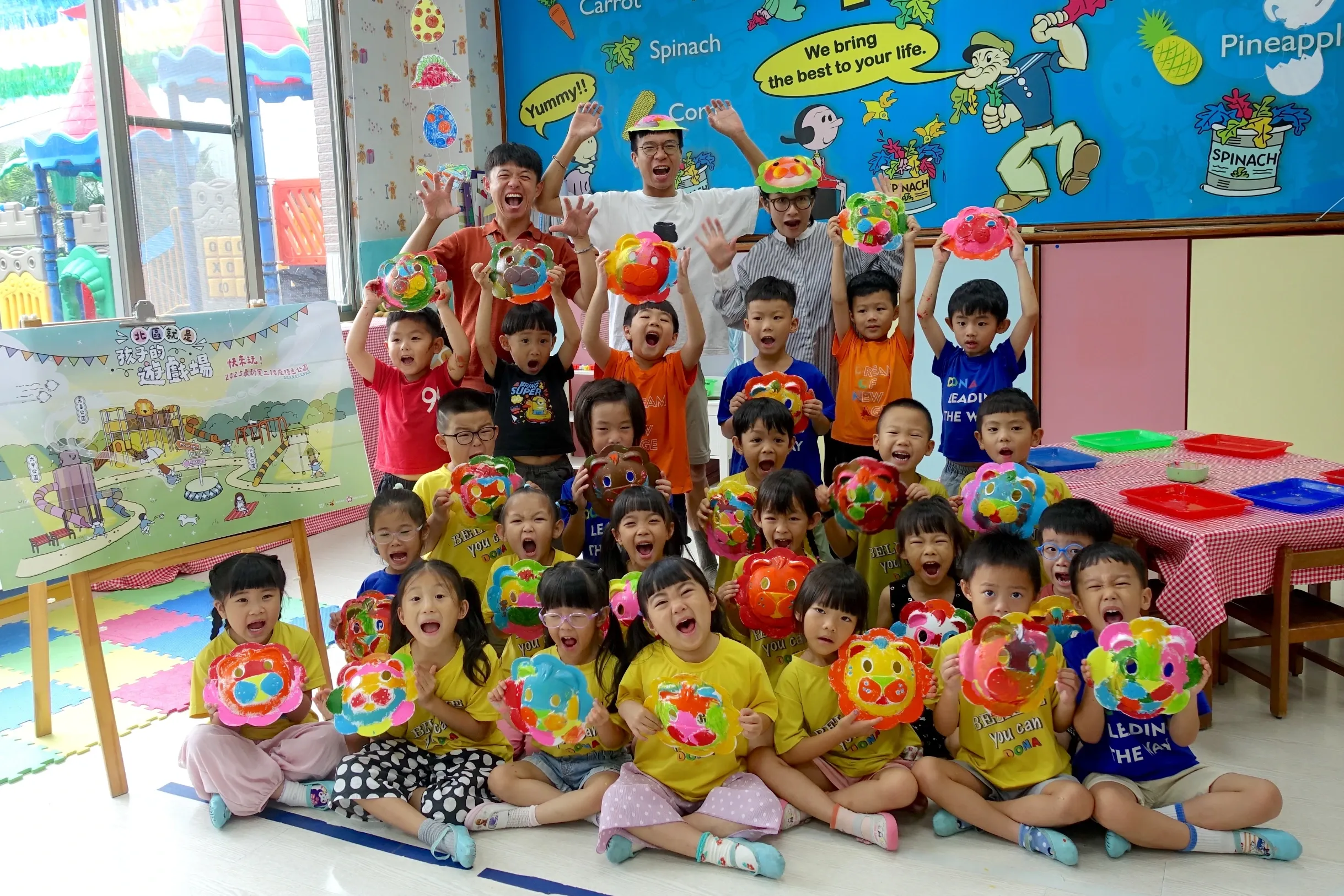
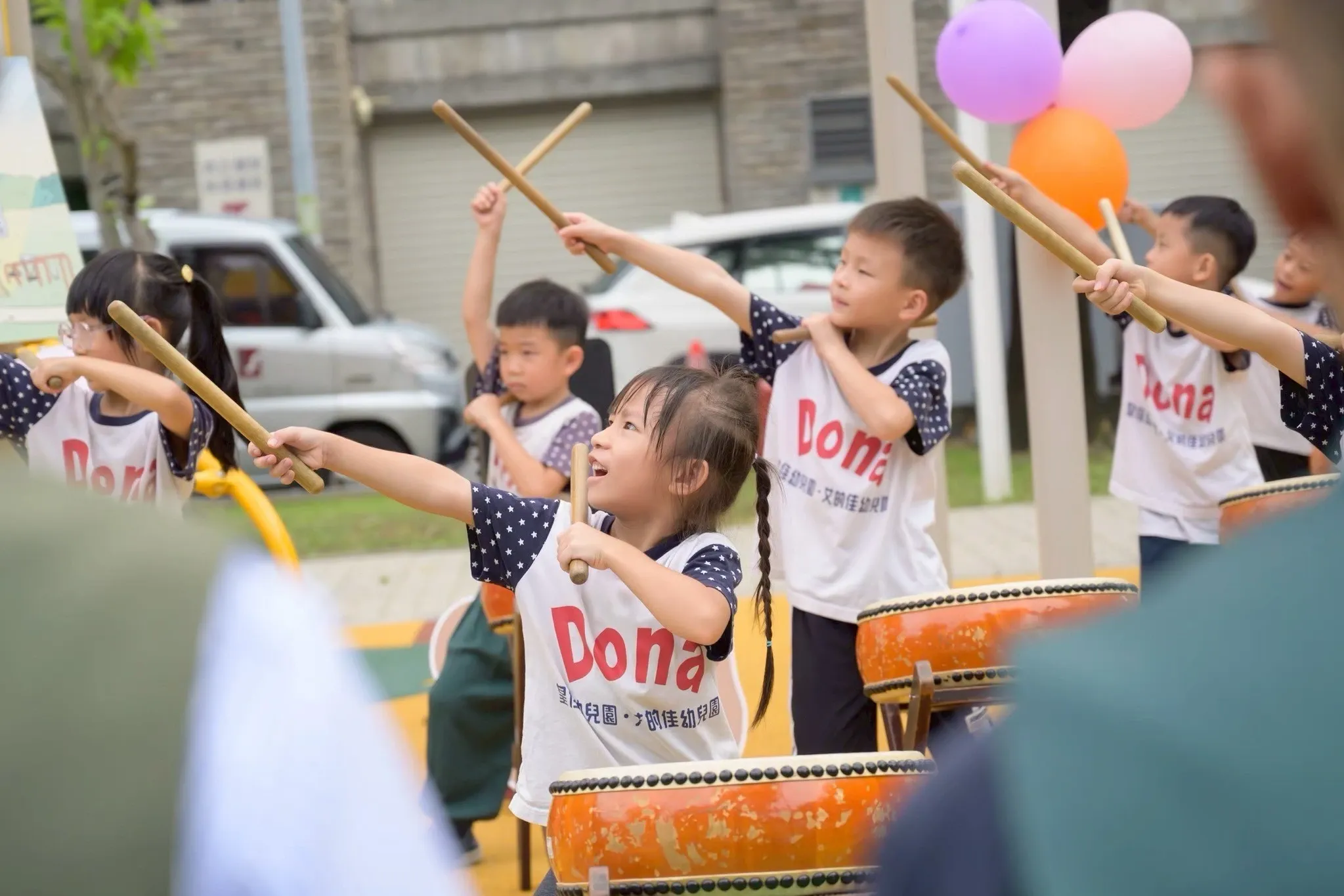
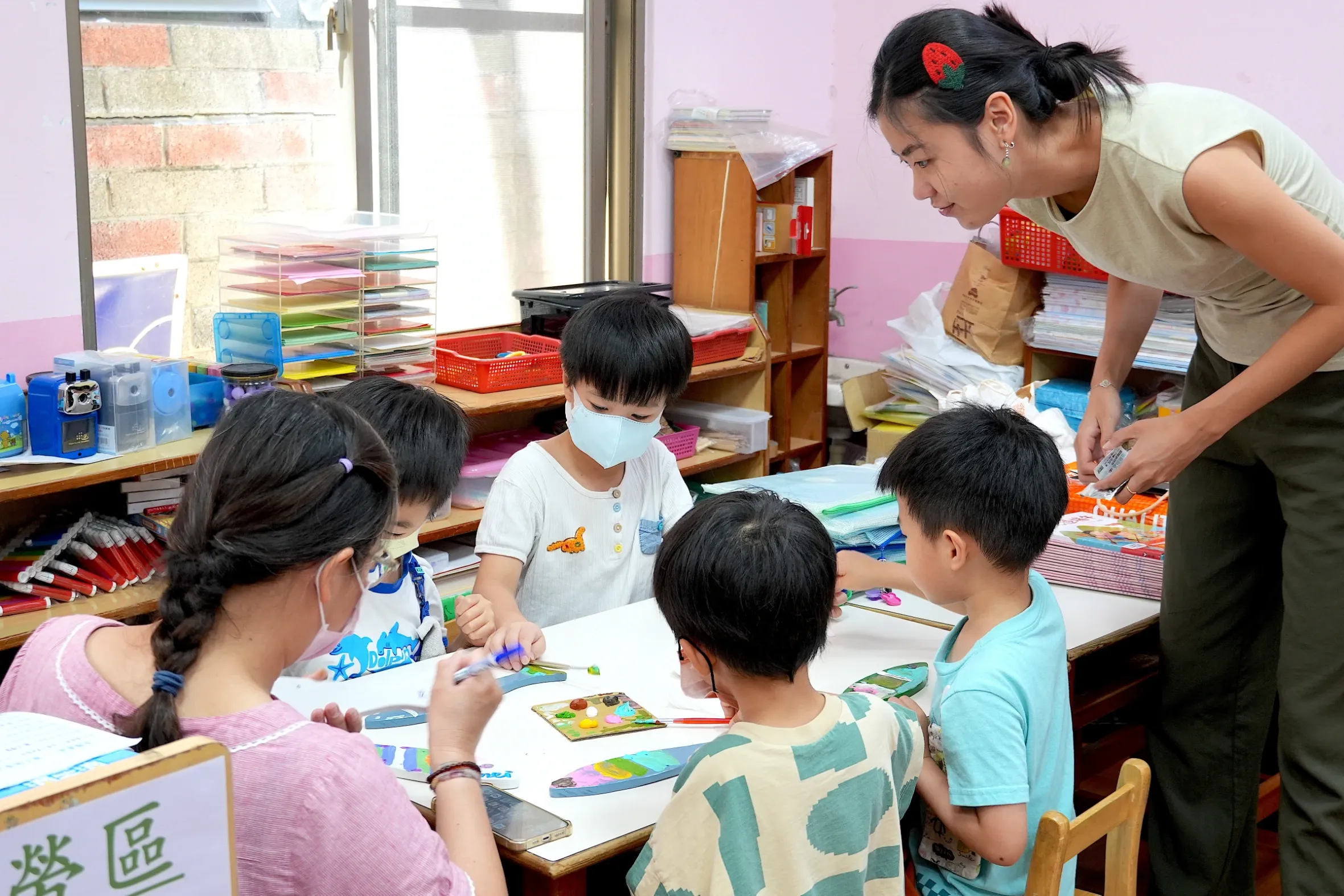
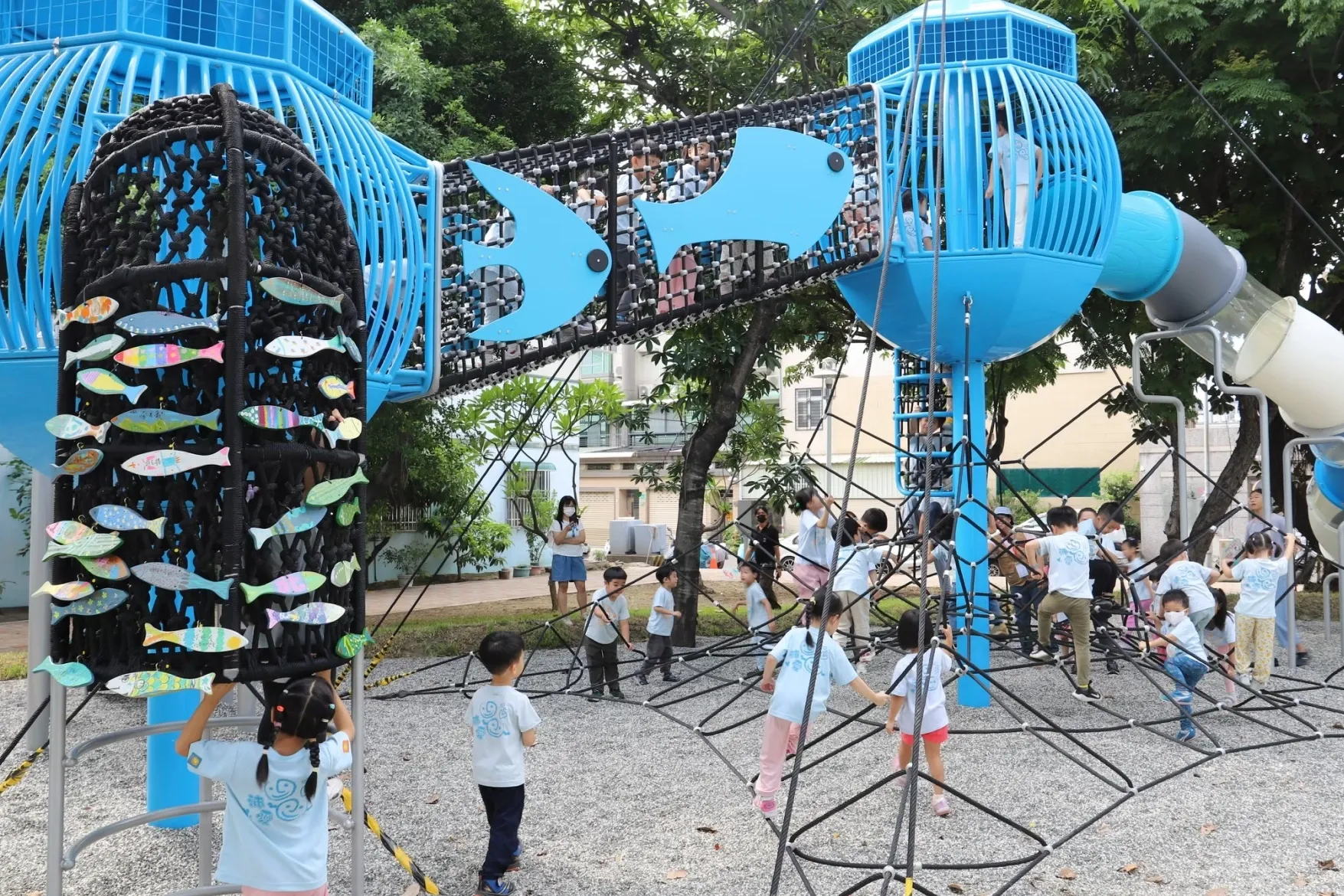
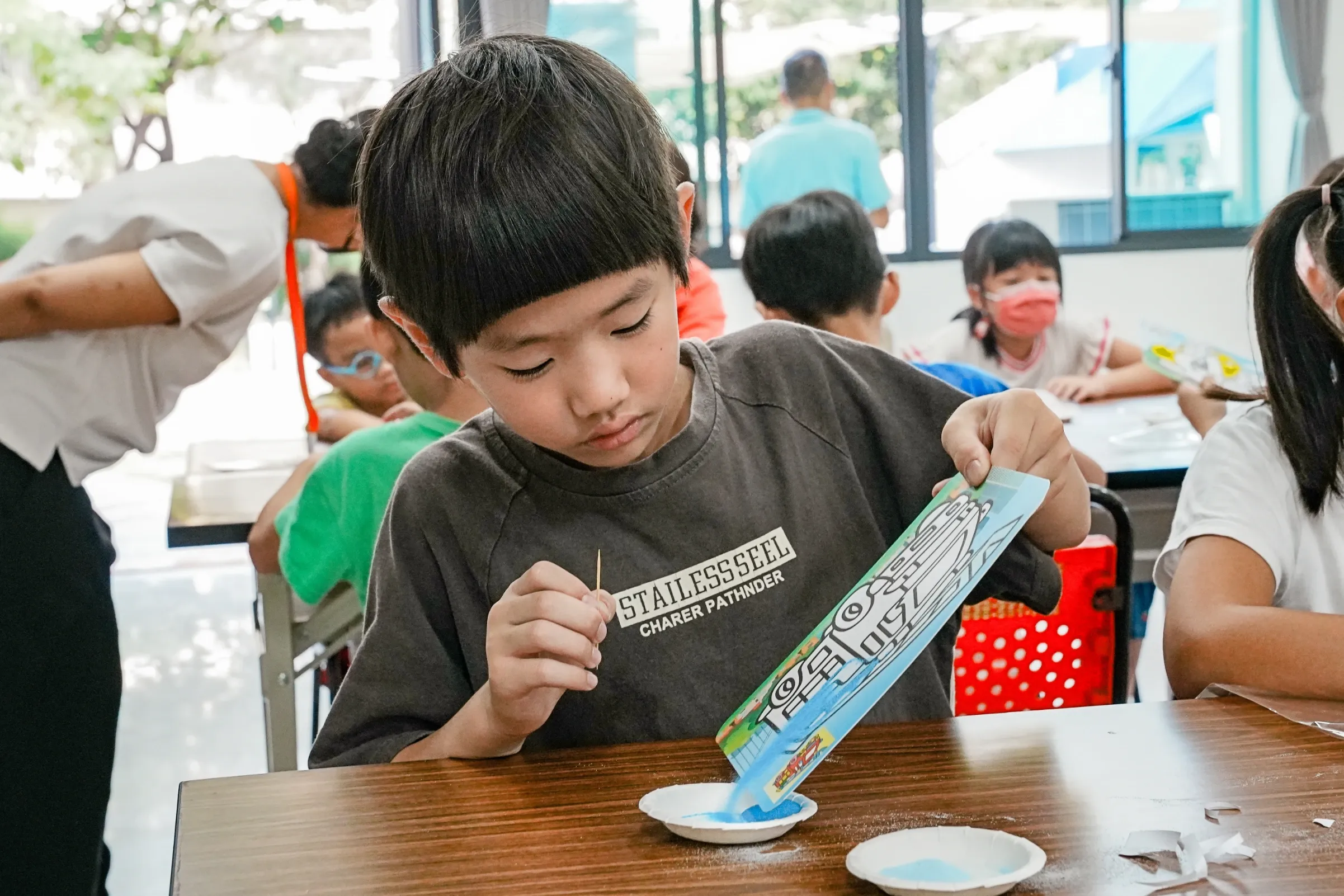
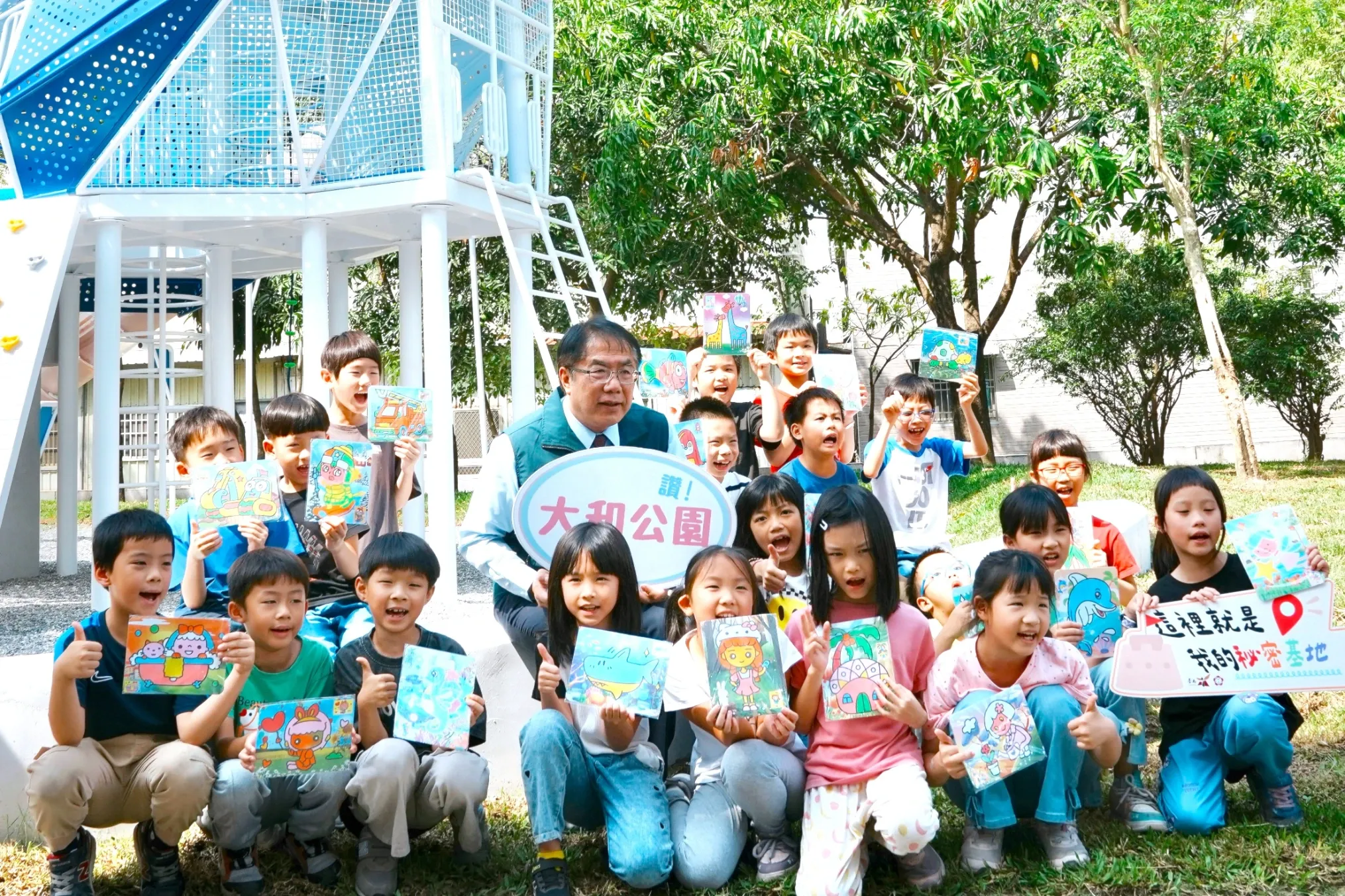
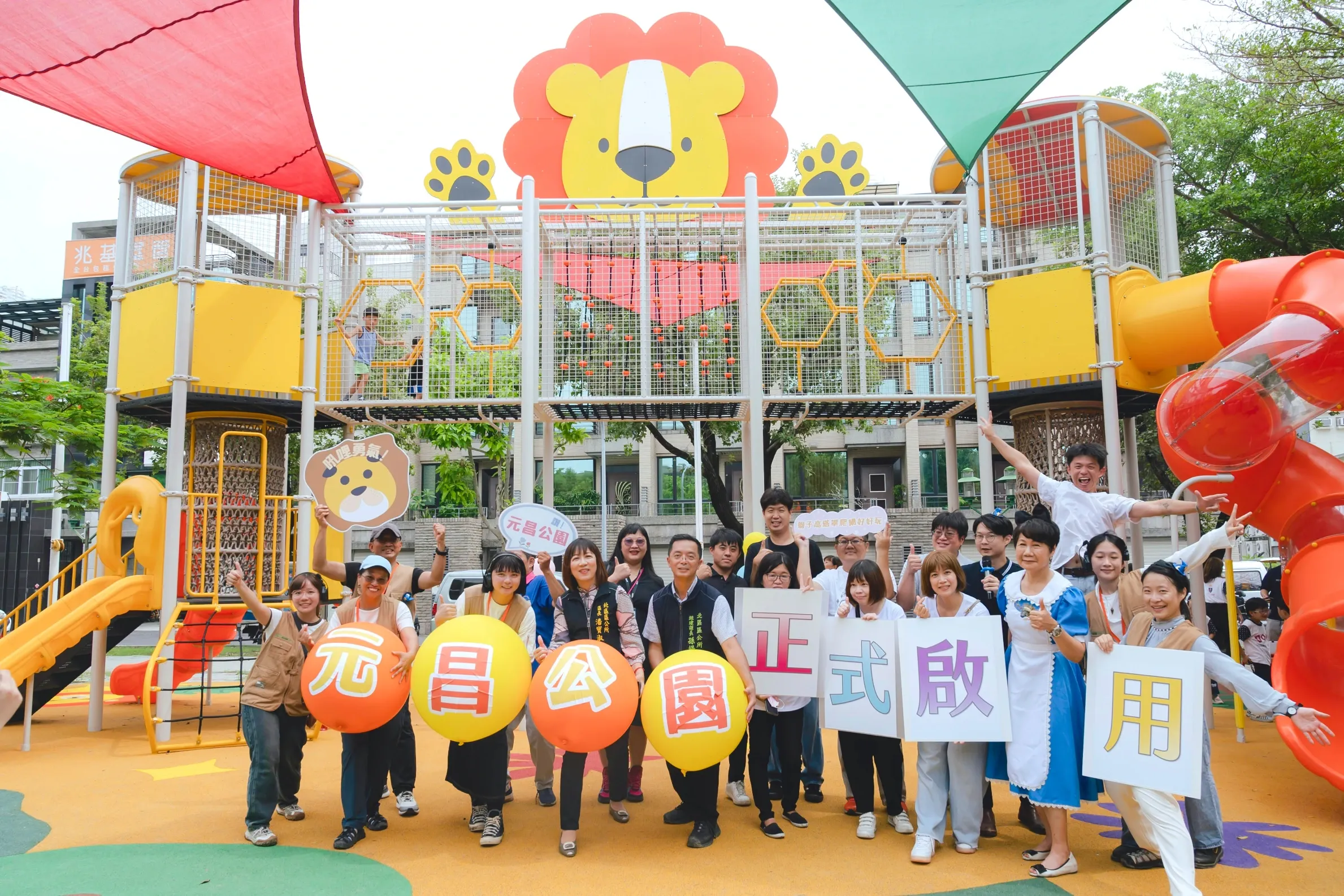
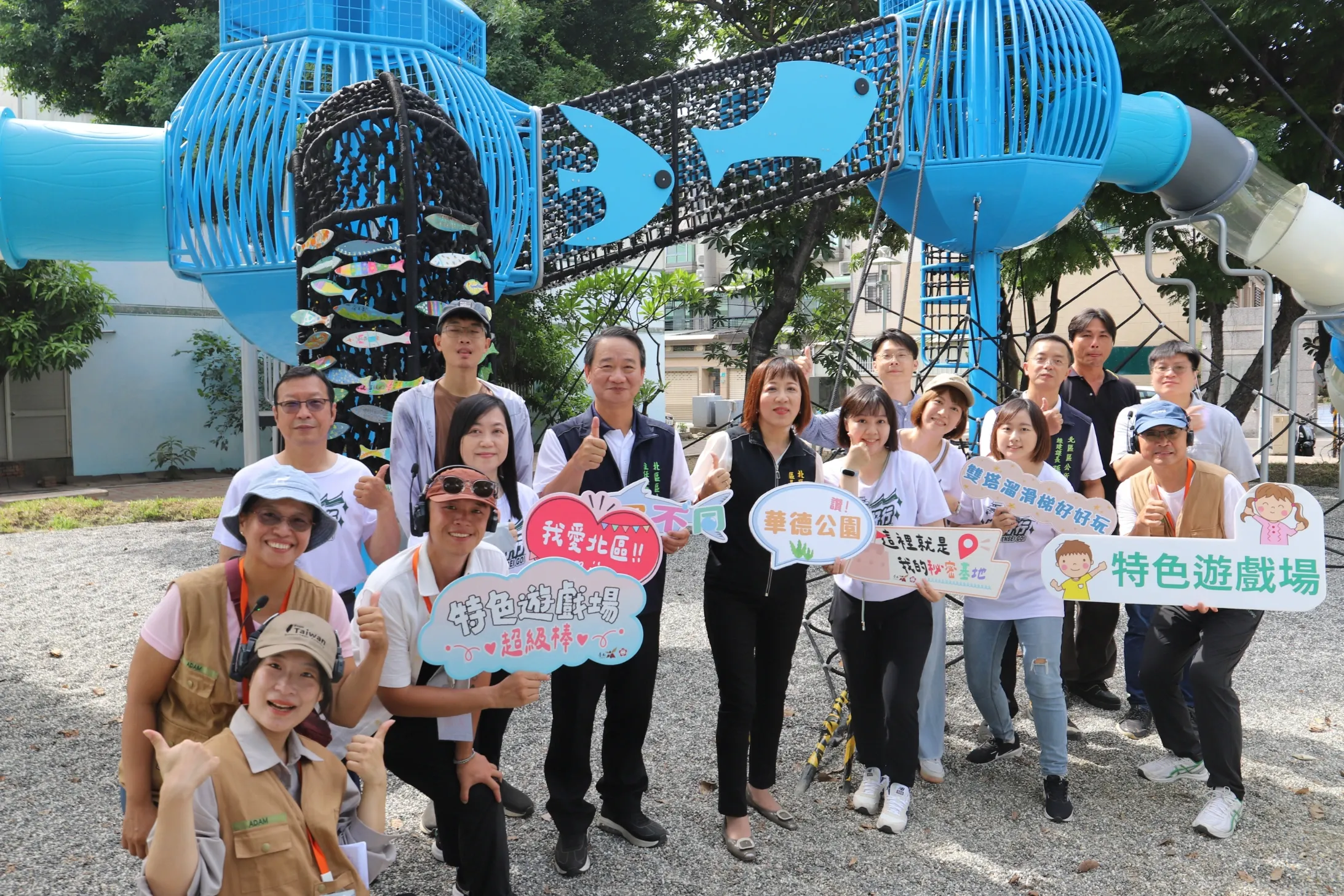
以綠野仙蹤故事引導,帶領皇佳幼兒園的孩童,將代表自己勇氣的顏色繪上獅子面具,於元昌公園開幕時「吼哩勇氣」。且因著幼兒園孩子將活力太鼓表演注入開幕式,現場都能感到小小生命力帶來的振奮與希望;帶領沛愛幼兒園的孩童,以想像力在木製魚板上彩繪、為每一隻魚取名,將「漁眾不同」的童趣掛上華德公園的流籠遊具;由色彩藝術老師帶領大港國小學童,引導其用感受到的好心情,專注於手倒沙畫創作,為大和公園的啟用「喜上梅梢」。
重視公益
認購114年0121地震災區─楠西國小學童手工製作的脆梅,在種植梅樹的大和公園啟用時,山市相連,發放給現場志工民眾;認購丹納絲颱風災生機文創─南無南漫將麻豆文旦落果再製成書籤,陪同現場的家扶學童,將象徵由廢轉生、永續循環的智慧,親手贈送給參與小康公園啟用的來賓。透過這些公益行動,再再鼓勵民眾一同響應並支持災區生活的重建。
重現在地記憶
啟用新遊具、像是進入新視界。而每個空間都有其記憶,即使歲月輪轉,其實每座公園裡原先的樹木植物一直都在那裡,如何在接受新物同時,不忘本、連結過往生活故事,是南無南漫home、經建課孫課長、在地深耕的里長們都重視的核心初衷。
北園公園前身曾是南台灣最熱鬧的元寶樂園,乘載著台南人的童年歡笑。在企劃這場三代同行的園遊會時,改造互動關卡內容,讓智慧帶著稚嫩,傳承記憶也延續歡樂,將天仁/元寶樂園的歷史與現代的北園公園以翻牌形式重新連結、將台南在地相關俚語教以台語誦讀、發放的童玩小禮亦搭配樂園曾有的遊樂設施。華德公園舊址是虱目魚塭,將遊具上的漁網、瞭望台設計,結合童繪魚板,看著這座公園…著實漁眾不同。大和公園遊具是7米高的喜鵲,因這裡仍是每年的喜鵲聚集地,且里長因愛護這些老樹們,寧可放棄公園評比也要留下這一片果樹,讓多年的共同記憶得以保存。
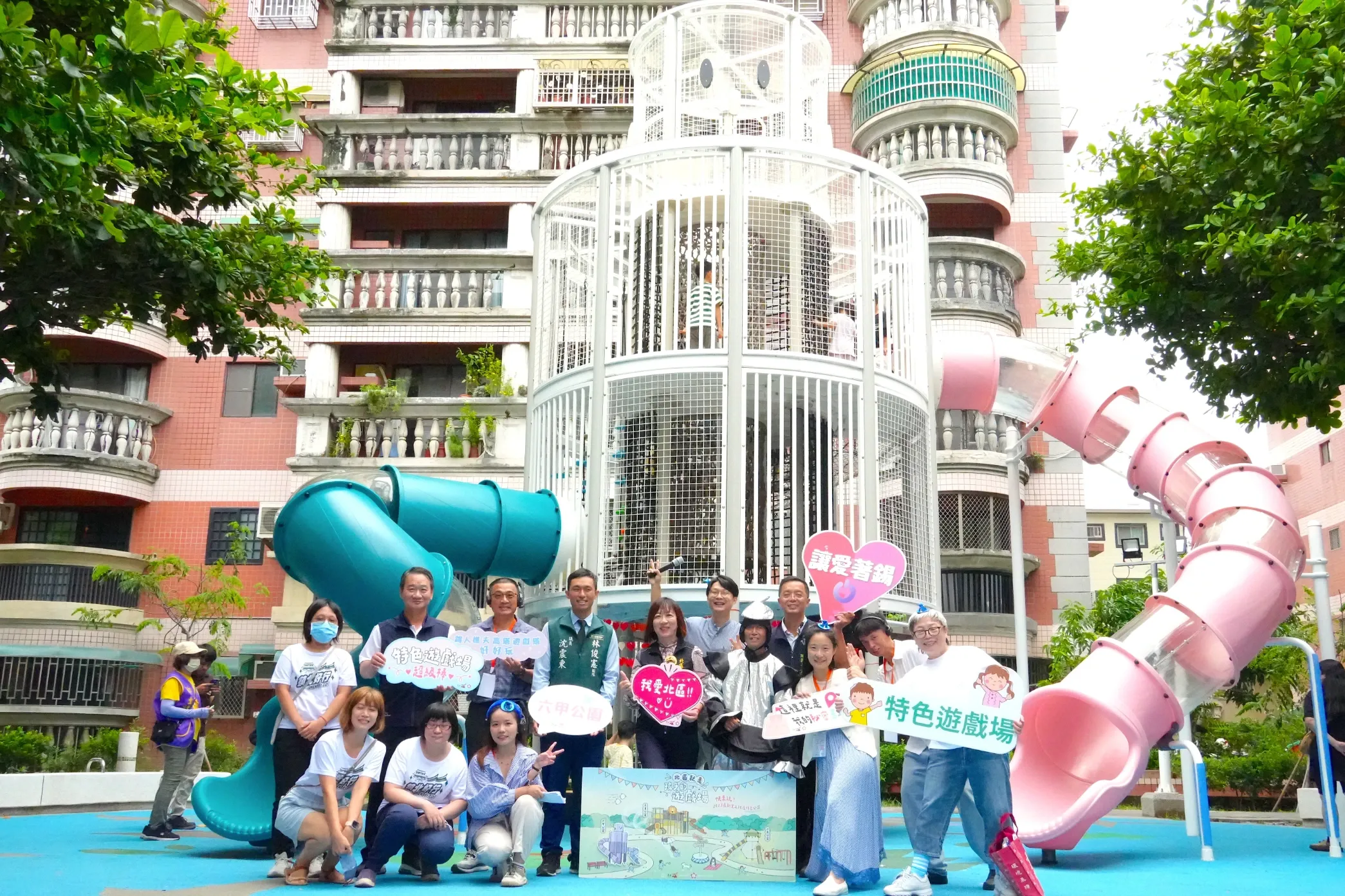
North District Is Children’s Playground
The “North District Is Children’s Playground” series includes ten parks.
The opening events for six playgrounds were planned and executed by Namo Collective, made possible through the trust of Ms. Pan Bao-shu, District Chief of the North District Office, who invited us to bring Namo’s distinctive style into official opening and inspection events.
From April 2025 to January 2026, this project became Namo’s first collaboration with local public-sector partners. Through frequent in-person and online meetings, on-site park visits, and close coordination with kindergartens, neighborhood chiefs, and community volunteers, each event was shaped through dialogue, adjustment, and shared effort.
What changed most over these nine months was not only the workflow, but the relationship. Formal meetings gradually turned into familiar conversations. By letting go of rigid roles and choosing to understand one another, we found balance—between public-sector responsibilities and Namo’s belief in human-centered experiences.
At Namo, we care about how children feel free to express themselves, how local contributors are truly seen, and how carefully designed moments invite genuine smiles. We are not a PR or marketing agency—we are creators of atmosphere.
People-Centered Experiences
Storytelling and creativity guided each event.
Children painted lion masks inspired by The Wizard of Oz and roared their courage at Yuanchang Park. Kindergarten performances brought energy and hope into opening ceremonies.
Imagination flowed through hand-painted wooden fish boards at Huade Park, while elementary school students created sand art based on joyful emotions for the opening of Dahe Park.
Every activity was designed to let children, families, and communities participate naturally and wholeheartedly.
Giving Back to the Community
Each park opening also became a chance to give back.
Handmade pickled plums from elementary students in earthquake-affected Nanxi were shared with volunteers at Dahe Park, symbolically connecting mountain and city.
At Xiaokang Park, recycled bookmarks made from fallen Madou pomelos—created in response to typhoon damage—were gifted to guests by children, carrying messages of renewal and sustainability.
Through these actions, we invited the public to take part in supporting post-disaster recovery and community resilience.
Reviving Local Memory
New play equipment opens new perspectives—but every park holds memory.
Namo Collective worked with North District and neighborhood leaders to honor existing landscapes, trees, and stories while welcoming change.
Former amusement parks, old fish ponds, local dialects, and long-standing fruit trees were reinterpreted through games, storytelling, and design—allowing memories to be passed on while new laughter continues to grow.