
A Post‑Typhoon Fallen Pomelos Regeneration Project by a Hongkonger and Local Youth
撰文╱吳浩賢@南無南漫home
Written by Adrian Ng @Namo Collective
去年強颱「凱米」來襲,那時我生活在高雄美濃。整個鄉鎮在一天之間陷入泥濘,住家一樓全淹、三輛同事機車泡水、辦公室數十萬設備全毀。隔天早晨走出門,看到日常熟悉的街區與田野,蓋上一片濁黃的淤泥、倒樹斷椏與垃圾,空氣裡混著溼土與腐爛的味道。
對香港長大的我來說,那是一場毫無準備的震撼教育。第一次經歷過如此真實、貼近自身的自然災害。香港當然也會「打風(颱風來襲之意)」,但關上窗戶、收起晾衣、買好泡麵,就能躲進城市堅固的鋼筋水泥裡。打開電視,看見屏幕上播著土石流、村落淹水,那都是有點感知距離的故事。
但當災害真的淹進生活裡的每一吋縫隙,我親手撈起泡爛成漿的書本與文件時,真正體驗到「自然」帶來的重量。那不是一種抽象的天災數據,而是親眼看見、碰觸、承擔的第一線實感。
風災回憶再襲來 苦難中找出農廢品生機
災後的日子,是從泥濘裡慢慢把生活撿回來的過程。那段時間,我經常想起香港社會面對災情的方式。我們擅長迅速解決問題,調派資源、清理現場、恢復秩序,但在那效率之中,人們的心情情緒常常被忽略。我也一樣,一開始只想把損失降到最少,把受災的狀況「搞掂(處理好之意)」就好,卻沒有留空間下來,拍拍自己說:真的嚇死我了!
時隔一年,直撲南部的丹娜絲颱風重新喚起了這段回憶。我意識到,身體記憶與心理的震動,原來並未隨著當時凱米淹起的水退去。開始關注麻豆柚農的處境後,也理解到農業災害不單只關乎產量與經濟損失,亦是一夕之間,整季辛勞被摧毀的挫敗與無力感。看見網路上大量轉發的落地文旦消息,這次我想主動參與,親身以自己的方式回應風災。不想停步於對「苦難」的體感,而是試著從自然帶來的「苦難」中,找出轉化成「生機」的可能。
那些在風災中落地的文旦,顆顆心血皆被迅速動員裝袋、載往掩埋場,在流程裡一直被定義為無用的「農廢」,但如果這些落果的生命還沒結束呢?看見Threads有人分享落果,我立刻拿了兩大袋回工作室,進行柚皮再生紙的製作實驗,沒想到試作成果在網路上引起廣大關注與迴響。
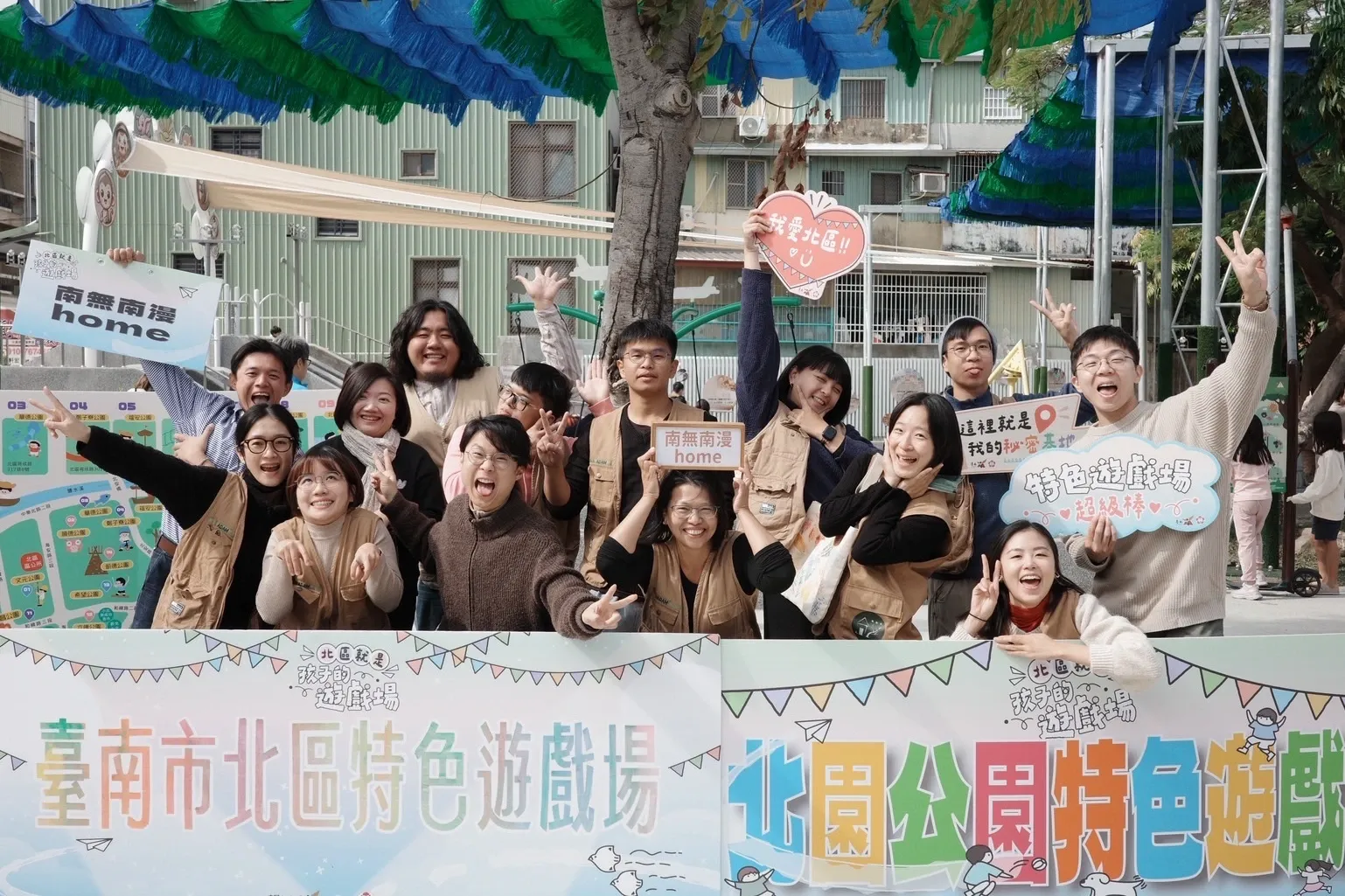
於是,「南無南漫home」的夥伴當日馬上發起「臺南文旦落果再生計畫」。發了一篇Threads貼文號召志工,短短一天內就有60多位來自臺南各地、高雄、屏東的網友,在表單裡勾選「加入造紙行列」。隔天,工作室門口立即改造成臨時「文旦再生工坊」,並從到果園載果、清洗文旦表面泥漿、削出表皮、切出白囊與柚肉、混合回收紙打成柚皮紙漿、手抄製紙,一直到壓乾晾曬,組成完整的生產線。
齊力災後復原 創作落果再生商品行公益
連續3天的志工行動,這段期間有朋友提供抄紙工具、民眾特意從安平送來豆花、公部門協助收集大量回收紙、媒體記者前來報導,大家各司其職。從果到紙,從掉落到轉化,深深體驗到社區如何自救,如何調度人力、物資、知識與人際網絡,共同堅韌地找出災後的復原方式。
「臺南文旦落果再生計畫」與位於麻豆的「阿財伯文旦之家」及「文正柚子園」合作,我們收集無法販售的落果,一次次試驗比例後,最後製作成三項再生認購品:柚皮再生紙、柚皮精油萃取液、柚皮環保酵素。讓原本的廢棄物循環利用,產品公益認購,其中50%收入將回饋「臺南市社會救助金專戶線上捐款平台」。
化受創情緒為理念 不願只當災難旁觀者
「臺南文旦落果再生計畫」是場對農廢的再定義,亦是對災後受創情緒的回應。LOGO上的三個圖案象徵著:我們用雙手主動參與,把落果創作轉化,再現農民心血,讓民眾帶回家,並好好安放心裡那個「想做點什麼」的無力感。
我們帶著柚皮再生紙與大眾分享,有認購民眾在麻豆出生長大,為家鄉盡一份心力而支持;有企業認同柚皮再生理念,大批認購作為中秋禮盒謝卡。聽見農民說:「想不到整顆柚子都還有用!」頓時彼此的內心都獲得了大大的擁抱。
手抄紙製作的原理,是以水為媒介,解構纖維,重新組織。每一張再生紙其實在展現農廢的生機。我們將過去的痕跡打碎,再一次重組,直到它以嶄新姿態重現在我們眼前。從破碎到完整,從混濁到清晰,從廢料到可觸可寫的未來,交織出一段自我修復的故事。我們將日本傳統的「叶結」與柚皮再生書籤結合,正反面呈「口、十」寓意願望實現的祝福,繩結則選用粉紫色,象徵紅酒般沉澱後的韻味靜好,是再生與力量悄悄醞釀的開始。
由「南無南漫home」的10人團隊合力完成的這場行動,雅筠設計視覺、翊芯精選包裝材質、誼紜為作品綁上日本繩結、我的手抄紙創作,團隊彼此奉上自己的專業。每個網路留言逐一回覆交流,總動員投入製作、包裝與寄發成果。
這場計畫的初衷很簡單:用小小的雙手,為這片土地做一點事。我們不再成為自然災害的旁觀者,而是願意共同俯身,陪伴彼此,從身體勞動中找到信心去應對自然給予的課題。落果並非災情限定的結果,而是農作週期中都會產出的每季常態,所以我們如何將計畫延伸出長期耕耘的可能?
不怕身水身汗 踏實生活將自己種回心田
香港人常開玩笑罵人說「返鄉下耕田啦你!」,帶著諷刺的意味,指對方力有未逮,沒用到不宜在城市生存。這句話背後是鄉鎮落後守舊,城市才是進步的預設。但比起繁華卻密密麻麻的都市街道,我更喜歡踏實地調理好自己的心田。
原本的我,被訓練成在水泥森林裡以效率回應一切,卻少有機會與自然共振。這段日子我學會了如何與自然一起生活,明白什麼是養分的給予與交換,自然以果實助我們成長,我們則以行動回應它的需要。這份流動之間,是一種踏實的愛,是與土地連結的印證。
後續我們以「臺南文旦落果再生計畫」發展成行動提案,入選農業部水保「115年青年回鄉行動獎勵計畫」,未來將帶著再生計畫的故事,不懼怕「身水身汗(汗流浹背之意)」,走訪校園社區,讓五感接近自然原貌,進一步為農廢的生命片段點上新註腳。
【以上為修改後版本,完整文稿刊於《豐年》雜誌2025年9月號】
When the super typhoon Gaemi struck last year, I was living in Meinong, Kaohsiung. Overnight, the whole town sank into mud. The entire ground floor of my home was flooded, three colleagues’ scooters were submerged, and equipment worth hundreds of thousands in our office was destroyed.
The next morning, when I stepped outside, the familiar streets and fields were buried under a layer of murky silt, scattered branches and rubbish, with the air thick with the smell of wet soil and decay.
❏ A Shock Education
For someone who grew up in Hong Kong, it was a completely unprepared‑for situation. It was the first time I had experienced a natural disaster so real and so close to my own life.
Hong Kong, of course, is no stranger to typhoons, but usually you just have to shut the windows, stock up on instant noodles, and then hide inside the city’s concrete shelter.
You turn on the television and see footage of landslides and flooded villages on screen, but those always feel like stories happening at a distance.
When a disaster actually seeps into every crevice of your own life, and you are the one fishing out books and documents that have dissolved into pulp, that is when you truly feel the weight of “nature”.
It is no longer an abstract figure in a disaster report, but a first‑hand, tangible reality that you see, touch and have to bear.
❏ Typhoon Memories Flooding Back
The days after the storm were a slow process of picking life back up from the mud. During that time, I often thought about how Hong Kong society responds to disasters.
We are very good at solving problems quickly: mobilising resources, clearing up, restoring order – but behind all that efficiency, people’s emotions are often overlooked.
I was the same. At the beginning, all I wanted was to minimise the loss and move on. I never really gave myself space to say, “That truly terrified me.”
A year later, Typhoon Danas headed straight for southern Taiwan and brought all those memories back. I realised that the sensations in my body and the shock in my mind had never really ebbed away.
❏ Redefining “Agricultural Waste”
As I began paying attention to the situation of pomelo farmers in Madou, I came to understand that agricultural disasters are not only about financial loss. They also embody the sense of powerlessness, when an entire season of labour is wiped out overnight.
Seeing social media filled with images of fallen pomelos, this time I wanted to respond to the typhoon in my own way. I did not want to remain only with the bodily memory of “suffering”, but tried to find a way to transform it into actions.
Those pomelos were knocked to the ground by the storm. All of them were being swiftly bagged up and carted off to landfill, defined as “agricultural waste”.
But what if the life of these fallen fruits had not yet come to an end?
❏ The Story of Pomelo Handmade Paper
When I saw someone share information about fallen pomelos on Threads, I immediately brought two large bags back to Namo Collective and started experimenting with making recycled pomelo handmade paper. To my surprise, the test pieces drew wide attention online.
Together with partners at Namo, we launched the “Tainan Fallen Pomelo Regeneration Project”.
We put up a post on Threads calling for volunteers, and within just one day, more than sixty people from across Tainan, Kaohsiung and Pingtung had come forward to join the papermaking team.
The next day, the area outside our studio was transformed into a temporary “Pomelo Regeneration Workshop”.
From collecting fruit in Madou, washing the mud off the pomelos, peeling the skins, separating pith and flesh, mixing the peels with waste paper, hand‑making sheets and drying them, we built a complete production line.
❏ Recovering from Disaster Together
Over three days of volunteer action, friends lent us papermaking tools, someone made a special trip from Anping to treat everyone to tofu pudding, public offices helped collect waste paper, and journalists came to report on what was happening. Everyone took on a different role.
From fruit to paper, from falling to transformation, we experienced how a community rescues itself. We learnt how to deploy people, materials and social networks, and how to find resilience after a disaster.
The “Tainan Fallen Pomelo Regeneration Project”, in cooperation with local pomelo farmers in Madou, after countless rounds of testing and adjusting ratios, eventually developed three regenerated products for charitable purchase: pomelo handmade paper, pomelo‑peel extract, and pomelo enzyme. Fifty per cent of the income from sales is donated to the government’s online donation platform.
❏ Transforming Wounded Emotions into Purpose
The project redefines “agricultural waste”. At the same time, it responds to the emotional wounds left by disaster.
The logo symbolises how, with our own hands, we choose to take part, to transform through creativity, and to allow farmers’ efforts to reappear in a new form.
In doing so, it helps to ease the powerless feeling of “wanting to do something” inside us.
As we share this story with the public, some supporters tell us they were born and raised in Madou and want to support their hometown through purchasing. Companies place large orders to use the paper as thank‑you cards in their Mid‑Autumn gift sets. When farmers say, “We never imagined every part of the pomelo could still be useful!”, it feels as if everyone’s heart is being embraced at once.
Each sheet of handmade paper is a manifestation of the new life within agricultural by‑products. We break the traces of the past and put them together until they appear before us in a wholly new guise.
From broken to whole, from murky to clear, we tried to tell a story of self repairing.